Tongits Card Game Overview: The Ultimate Filipino Gambling Phenomenon
Tongits is a thrilling rummy-style card game that has captivated millions across the Philippines and beyond, establishing itself as a cornerstone of Filipino gambling culture. Played with a standard 52-card deck, this fast-paced game demands sharp strategy, rapid calculation, and nerves of steel. Unlike many Western card games, Tongits Card Game utilizes a unique dealing system where each player receives 12 cards, with the remaining stack forming the draw pile. The objective? Form melds of three or more cards—either sets of identical rank or sequences of consecutive suits—while racing to empty your hand before opponents. 🎴
Core Rules and Winning Combinations in Filipino Tongits
The mechanics of Tongits revolve around three primary actions: drawing from the stock pile, drawing from the discard pile, or declaring a "Tongits" when you successfully meld all 12 cards into valid combinations. A critical rule involves the "buwaya" (crocodile) penalty—if a player fails to lay down any melds, they face severe score deductions. Top Filipino Gambling Rules dictate that the game ends when a player calls Tongits, a draw is declared, or the stock pile depletes entirely. Jacks, Queens, and Kings carry 10 points each, Aces count as 1, and numbered cards retain face value. Strategic discarding is paramount, as opponents can scoop your discarded cards to complete their own melds.
Strategic Depth and Psychological Warfare
What elevates Tongits above ordinary rummy variants is its layered psychological dimension. Reading opponents' discard patterns reveals vital intelligence about their hand composition. Bluffing becomes an art form—sometimes discarding a card you desperately need to mislead rivals. Expert players calculate probability distributions across the remaining deck, tracking which cards have appeared and which remain live. The "sapaw" rule allows intercepting a discard to immediately lay down a meld, creating dramatic reversals. This blend of mathematical precision and human deception explains why Tongits tournaments now flourish in major Filipino communities worldwide. 🃏

Variants and Regional Adaptations Across the Archipelago
Regional variations have proliferated throughout Luzon, Visayas, and Mindanao. Some localities enforce a "draw until meld" requirement, while others permit immediate discard after drawing. The "Tongits Fight" variant introduces aggressive penalty structures where losing players pay multiplied stakes. In high-stakes underground games, "kaliwaan" (left-hand) rules govern specific discard pile interactions. Understanding these local adaptations proves essential for travelers seeking authentic Filipino gambling experiences. The game's flexibility ensures constant reinvention while preserving its competitive essence. 🎲
Bankroll Management and Responsible Play Protocols
Professional Tongits players adhere to strict bankroll discipline, typically capping session losses at 20% of their dedicated gambling fund. Position selection matters—sitting to the left of aggressive discarders creates favorable drawing opportunities. Tracking meld probabilities requires memorizing distribution tables: the likelihood of completing a three-card sequence peaks at approximately 42% after the fifth draw. Advanced practitioners employ "count management," assigning relative values to each card based on current game state rather than absolute point values. This dynamic valuation system separates elite competitors from casual enthusiasts.
Cultural Significance and Modern Digital Integration
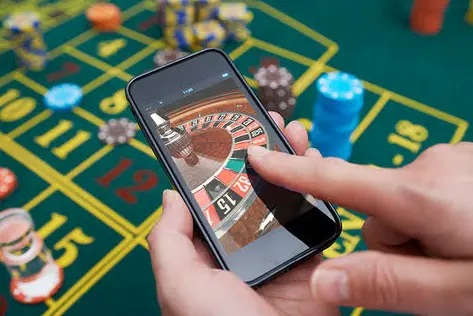
Beyond gambling floors, Tongits functions as a social adhesive in Filipino households, transcending generations and economic strata. Family gatherings inevitably feature heated Tongits sessions where grandmothers school grandchildren in discard psychology. The digital revolution has expanded accessibility through mobile platforms offering real-time multiplayer functionality, albeit with virtual currencies in regulated jurisdictions. Land-based casinos in Manila and Cebu now host sanctioned Tongits tournaments with prize pools exceeding seven figures. This dual existence—intimate household tradition and high-stakes competitive arena—cements Tongits as an unparalleled cultural artifact. 🏆